By George Wang, CYOC Member and Engineering Workshop Instructor
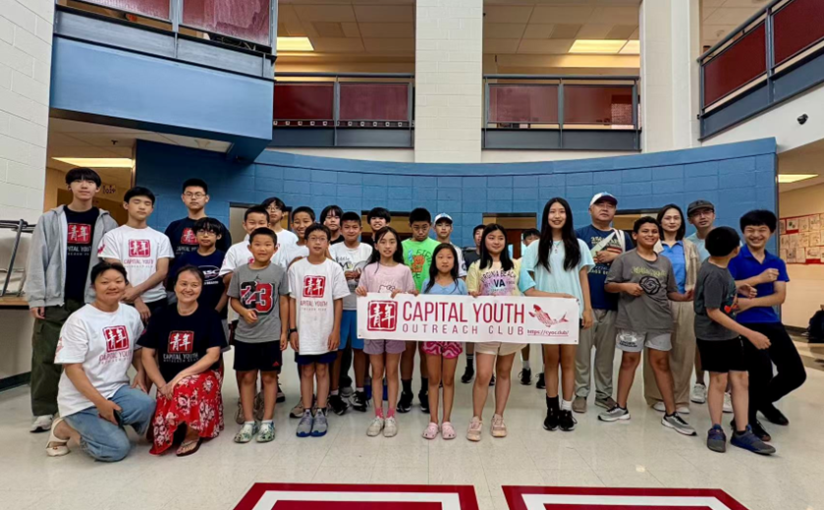
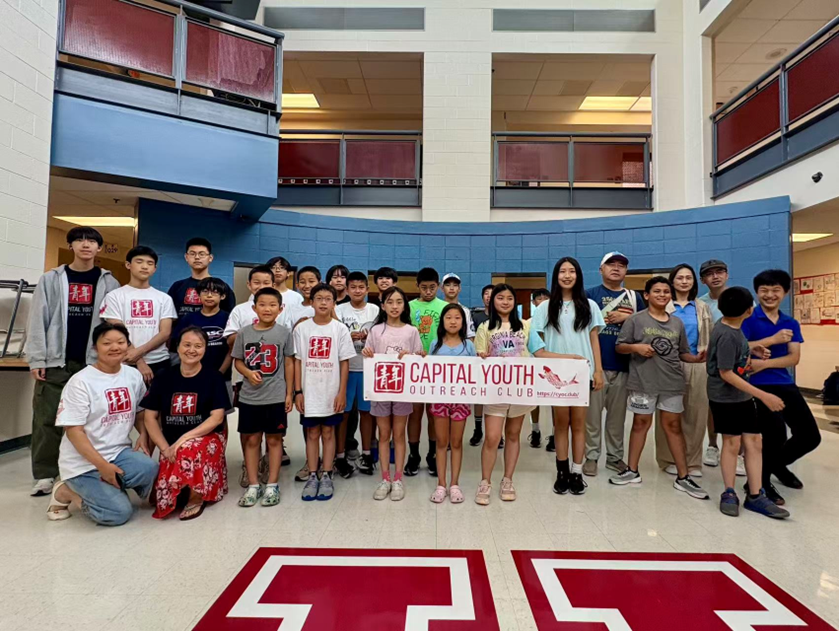
Following the success of last year’s Engineering Workshop, my friends Evan Chen, Ruichen Feng, and I returned this summer to organize and teach the CYOC 2026 Summer Engineering Workshop. This is the second year Evan and Ruichen have organized and led this camp, and working closely with them throughout the program has allowed me to learn a great deal from their experience and leadership. Unlike last year, when I only assisted as a guest instructor for one day, this year I served as a full-time instructor, actively involved throughout the entire program in teaching, mentoring students, and troubleshooting engineering challenges alongside Evan and Ruichen.
What stood out most to me this year was not any single project, but the process of helping students think through problems when nothing worked the first time. Teaching in this environment required constant adjustment—every student approached engineering differently, and many lessons only became meaningful when students ran into real technical challenges.
Learning Through Design: Early CAD Experience
The workshop began with Onshape-based 3D design, where students were introduced to core CAD concepts including sketching, extruding, assembling, and modifying parts. Most students entered with little or no prior experience, but quickly adapted as they worked through guided exercises and creative design challenges.
Their early projects focused on simple name tags, helping them understand how digital sketches become physical objects through 3D printing. As the class progressed, students moved into more open-ended design work, creating cups, miniature swords, bells, and other personalized models, many of which were later printed.
During class, several younger students worked on a 3D mug design but struggled with advanced modeling tools such as revolve and sweep. Instead of directly correcting their work, I guided them step by step through the underlying geometry—helping them understand how a 2D profile transforms into a 3D surface. After several iterations and adjustments, they were able to complete the design independently. This moment highlighted an important goal of the workshop: building understanding rather than simply finishing projects.
When Things Don’t Work: Robotics and Wiring Challenges
As students transitioned into building Arduino robot cars, the learning environment shifted from design thinking to physical troubleshooting. Unlike CAD, where mistakes are visible on-screen, hardware problems often appear randomly and require systematic checking.
One common issue was wiring that did not match the circuit diagram. In several cases, students were convinced their robot “should work,” but nothing responded correctly. Instead of guessing, I guided them through a structured comparison between their physical wiring and the schematic, checking each connection one by one. This process helped students realize that small inconsistencies—one misplaced wire or swapped connection—can completely stop a system from working.
These debugging moments were often frustrating for students at first, but they became some of the most valuable learning experiences of the week.
Bridging Code and Hardware
In addition to hardware troubleshooting, I also supported students with Arduino programming issues. My background in C++ helped me identify errors that were not obvious to beginners.
In one case, a robot was not responding even though the wiring looked correct. After reviewing the system, I found that the motor port assignments in the code did not match the actual hardware connections. Once I aligned the code configuration with the physical setup, the robot immediately began functioning correctly.
This helped reinforce an important idea for students: in engineering, software and hardware are inseparable, and even a small mismatch between them can break an entire system.
The Real Goal: Making Systems Work
By the end of the week, students combined CAD, electronics, and programming to build working robot cars capable of autonomous behavior such as obstacle avoidance. While the final results were impressive, what mattered more was the process they went through—testing, failing, adjusting, and trying again.
Many students started the week unsure of how circuits or code worked at all, yet by the end they were confidently demonstrating systems they had built and repaired themselves.
What I Learned as an Instructor
Serving as a full-time instructor changed how I view teaching. I learned that effective instruction is less about explaining concepts clearly and more about knowing when to intervene and when to let students struggle productively. I learned a great deal of managing pace, planning lessons, and responding to unexpected classroom challenges.
Closing Reflection
Week 1 of the CYOC 2026 Engineering Workshop was not just a technical program—it was an exercise in problem-solving, communication, and mentorship. The most meaningful moments were not when projects worked perfectly, but when they failed and students learned how to fix them.
We will continue this program with a second session in August, where we plan to further refine the curriculum and build on what we learned from this first week.
Ultimately, this experience reinforced my belief that engineering education is most effective when students are given the space to struggle, think, and discover solutions on their own—with guidance available when they need it most.
This workshop would not have been possible without CYOC, which provided the platform and opportunity to organize and run the program, as well as the continuous support of CYOC advisors Dr. Fayuan Wen, Dr. Chuanfeng Wu, Dr. Ping Lu, and Dr. Tao Chen. Their guidance, encouragement, and trust made it possible for student instructors like us to lead, learn, and grow through this experience. We are also deeply grateful to parents and student volunteers who supported daily operations and helped ensure everything ran smoothly throughout the week.
Website Editor: Grace Yan


You must be logged in to post a comment.